
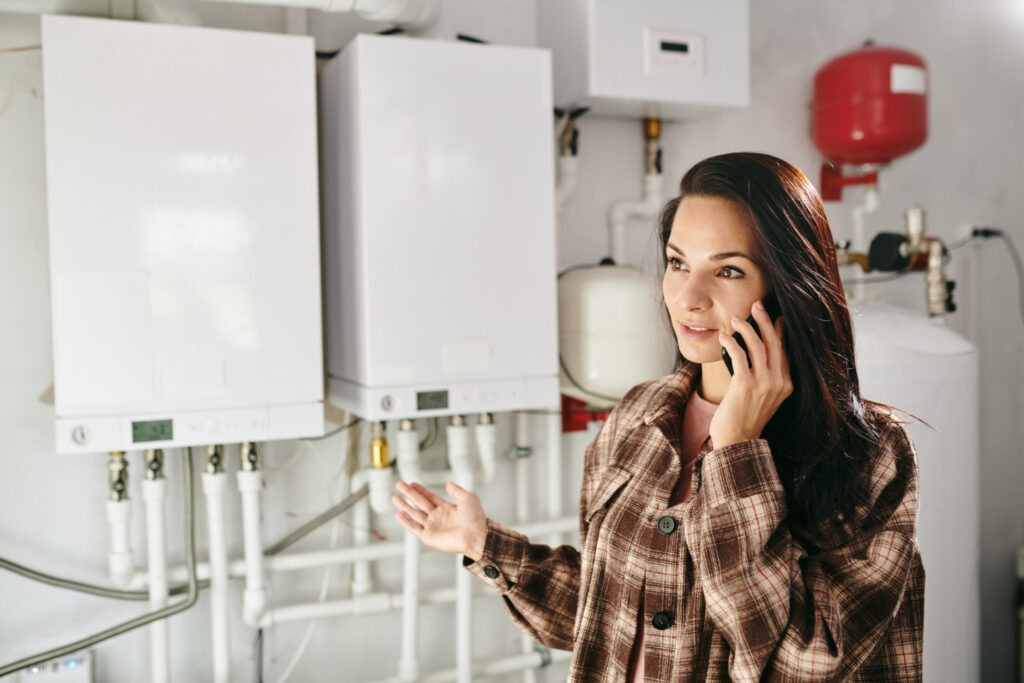
An emergency furnace situation is any condition that threatens your safety, risks property damage, or leaves you without heat in freezing temperatures. Gas smells, carbon monoxide alerts, total system failure, and burning odors all require an immediate call. Do not wait until morning. These are not routine problems you schedule around.
Why Are More Hamilton Homeowners Calling After Hours This Winter?
Winter temperatures in Hamilton drop fast. A furnace that quits at midnight creates real danger, not just discomfort.
Frozen pipes can burst within hours in an unheated home. That turns a heating problem into a much larger and more expensive repair job.
What Are the Situations That Qualify as a Furnace Emergency?
Not every furnace problem is urgent. Knowing the difference helps you make the right call at the right time.
Which Warning Signs Mean You Need to Act Right Now?
A rotten egg smell means a gas leak. Get everyone out of the home immediately and call your gas utility from outside.
A yellow pilot light on a gas furnace also signals danger. It often indicates incomplete combustion and a risk of carbon monoxide. Shut the system off and call a technician right away.
What Symptoms Are Urgent But Not Immediately Dangerous?
Loud grinding or banging from inside the furnace means a mechanical component is failing. Running the system can cause serious internal damage.
Total loss of heat when outdoor temperatures are below freezing is also an urgent call. Emergency furnace repair in these conditions protects your pipes, your home, and your family.
What Can You Check Before Making the Call?
If there is no immediate safety risk, a few quick checks can save you an after-hours service fee.
Should You Try to Troubleshoot First?
Check your thermostat first. Make sure it is set to heat and the temperature is at least three degrees above the current room temperature.
Look at your circuit breaker next. A tripped breaker is a common cause of a furnace that will not start. Reset it once and wait a few minutes before calling for emergency furnace repair.
Does the Quality of Your Installation Affect How Often Emergencies Happen?
Yes. A poorly installed furnace is more likely to break down under pressure. Components that are not properly fitted, vented, or connected wear out faster.
Choosing quality furnace installation services from the start reduces the chances of emergency calls down the road. Certified furnace installation services also ensure your system meets Ontario gas and safety codes from day one.
How Does Staying on Top of Maintenance Prevent Emergency Calls?
Most furnace emergencies do not happen without warning signs. Rapid cycling, weak heat output, and strange smells often appear weeks before a full breakdown.
Scheduling annual maintenance lets a technician catch these issues early. A small repair in October costs far less than an emergency call in January.
Keeping your filter clean also matters more than most homeowners realize. A clogged filter causes the furnace to overheat and shut down. Replacing it every one to three months is one of the simplest ways to avoid a furnace repair call mid-winter.
Dusty registers and uneven heat across your home are signs worth acting on before they become a furnace repair emergency.
Conclusion: When Should You Stop Waiting and Make the Call?
If your furnace has stopped working, is making sounds it never made before, or is producing any kind of smell, do not wait to see if the problem resolves itself. The right technician can tell you within minutes whether it is a quick fix or something more serious. Getting that answer sooner protects your home, your pipes, and everyone inside it. Certified help is available when you need it most.
FAQ’s:
Q1: Is a furnace going out an emergency?
Sure, furnace malfunction can be considered an emergency, especially during winter when it leads to lack of warmth in your house or poses a threat to your safety.
Q2: What are common furnace repairs?
Common furnace repairs include replacing igniters, fixing thermostats, changing blower motors, repairing sensors, and addressing airflow issues.
Q3: How does a furnace work?
A furnace heats air using gas or electricity and then distributes the warm air throughout the home through a system of ducts and vents.