
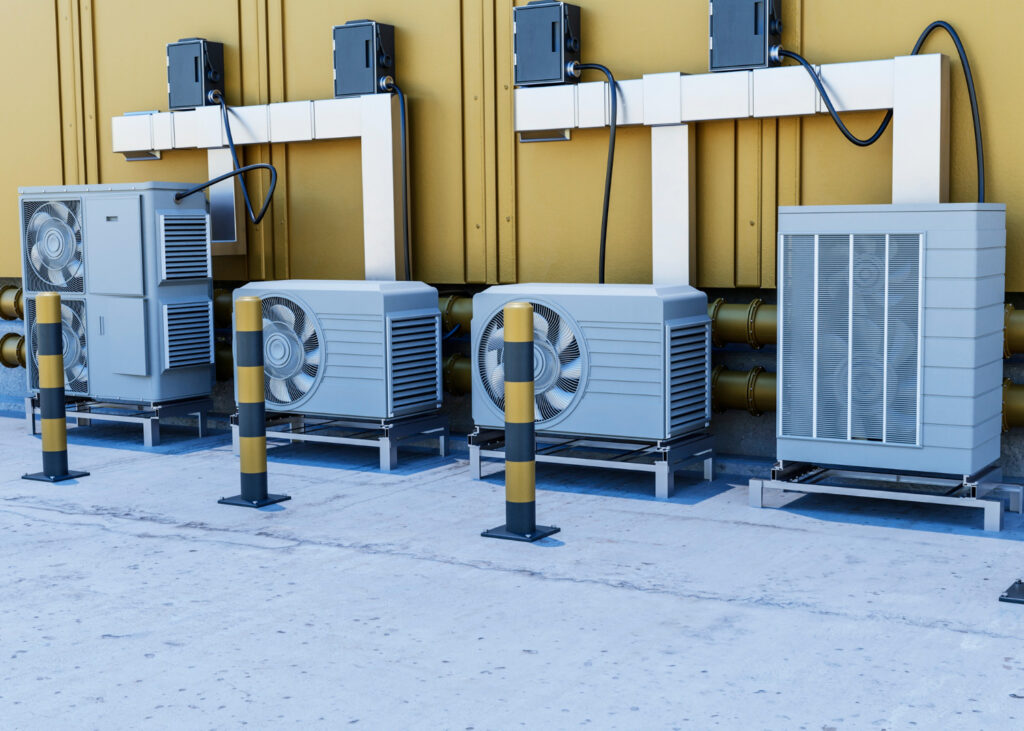
Integrated HVAC planning has become a critical part of modern residential and commercial construction, especially where multiple systems such as cooling, ventilation, gas distribution, and safety monitoring must work together efficiently.
A well-structured design approach ensures performance, safety, and long-term energy savings.
AC Installation Services, BBQ Gas Line Installation, and HVAC Smoke Detector Installation are no longer isolated tasks but interconnected components of a complete mechanical system.
Integrated HVAC Load Design
Integrated HVAC Load Design focuses on calculating total heating and cooling requirements while accounting for building layout, occupancy, insulation, and equipment loads. This prevents over-sizing or under-sizing of systems, which often leads to energy waste or inconsistent comfort.
In professional projects, AC Installation Services will be conducted only after load calculations have been done. This ensures that each unit is installed based on real requirements rather than assumptions.
Effective load installation will also contribute to balancing airflow, minimizing compressor work, and increasing longevity.
Effective AC Installation Planning for Efficiency
The AC Installation Planning process does not merely involve the placement of indoor and outdoor units. It also encompasses proper evaluation of airflow direction, electrical wiring layout, drainage direction, and maintenance access points.
When AC Installation Services are performed according to the pre-installed plan, homeowners will notice consistent cooling and energy savings. Proper insulation and pressure testing of refrigerant lines will also be conducted by technicians to minimize leaks in the long run.
In multiple-zone applications, AC Installation Planning will incorporate zoning techniques that allow individual rooms to regulate their own temperature.
Safe and Structured BBQ Gas Line Installation
Outdoor cooking systems require effective engineering, and BBQ Gas Line Installation can significantly help with this. There needs to be proper pressure management, effective leakage prevention, and adequate ventilation space.
For any efficient mechanical installation, BBQ Gas Line Installation is done alongside HVAC system designs to ensure there is no collision with ductwork, electrical installations, or other ventilation systems, thereby avoiding safety risks.
With professional installation of gas lines, there will always be shutoff valves and pressure regulators to make it easy to operate the gas supply year-round without posing any danger from gas pressure or leakage.
HVAC Smoke Detector Installation for Safety Integration
In today’s HVAC systems, safety-related systems have become increasingly important, and HVAC Smoke Detector Installation plays a critical role in them. Installing such detectors helps ensure the system detects smoke particle movement even before a threat occurs.
By installing an HVAC smoke detector in any HVAC system design, early detection is facilitated, especially in situations where smoke is likely to move quickly through a room.
This is especially relevant for commercial settings, cooking areas, and mechanical rooms.
Through detector links with ventilation controls, smoke detection can facilitate automatic shutdown of airflow.
Coordinating Multiple Systems in One Mechanical Design
A complete mechanical integration plan eliminates any issues between AC Installation Services, BBQ Gas Line Installation, and HVAC Smoke Detector Installation.
Coordinating these mechanical systems will prevent pipeline layout clashes, electrical hazards, and potential maintenance issues.
In fact, AC Installation Services must consider the layout of the gas lines to avoid subjecting them to heat stress or vibrations. Likewise, smoke detection systems must be installed free of obstructive duct placements and cooling systems.
Conclusion
Unlike separate installations, modern mechanical systems require professional engineering planning.
This means that AC Installation Services, BBQ Gas Line Installation, and HVAC Smoke Detector Installation must be coordinated based on the HVAC Load Design plan.
Done right, this strategy will ensure safe performance, efficient energy use, and durable systems.